
Looking to reduce absence and improve performance?
Work is physical — even when it doesn't look like it.
Your team show up wanting to give their best, and some days that means pushing through tension, tiredness and sometimes even pain.

Physical strain isn't just a personal problem.
That tension affects concentration, energy and performance. Most organisations never address it directly. Canopy does.
Imagine a workforce with:
- Less pain and fewer sick days
- Better concentration and sharper focus
- More energy throughout the working day
- Greater resilience under pressure
- Reduced absence and improved retention
- People who feel confident, capable and well at work
We help your people reduce unnecessary tension, move better and feel better at work — using the Alexander Technique, a clinically researched approach to changing habitual movement patterns.
This isn't a wellness trend. It's a skill your people keep for life.
The scale of the problem
511,000
UK workers currently suffering from a work-related musculoskeletal disorder (HSE, 2024/25)
7.1m
Working days lost every year to musculoskeletal conditions (HSE, 2024/25)
60%
Of UK organisations citing musculoskeletal disorders as their primary cause of long-term absence (CIPD, 2023)
£22.9bn
The annual cost of workplace ill health to UK businesses (HSE, 2024/25)
Physical strain isn't just a personal problem. It affects productivity, absence, engagement and retention.
Pain, posture and performance — a different approach
Most approaches to workplace pain and posture work on the body from the outside and try to fix things externally. The Alexander Technique works differently — it develops awareness of how you're using your body from within.
Pain—Often less structural than we think. And what's habitual can change.
Posture—Improved through ease, not effort.
Performance—Clearer thinking, better presence.
That awareness is the key. Once someone notices the habitual tension or bracing they've been carrying unconsciously — in how they sit, stand, type, speak or respond to pressure — they have real choice about it for the first time. That's when things start to change.
See the approach in action
A short introduction to how the Alexander Technique helps people move through work with less strain and more ease.
With thanks to the creators of this video. For the science behind the Alexander Technique, visit alexandertechniquescience.com.
How it works
Assessment
A company-wide wellbeing survey, staff interviews and an observational site visit — so every recommendation is built around your people, not a generic programme.
Workshop
A powerful introductory session to introduce the method and spark curiosity across your team.
Group programme
Progressive sessions that build real, lasting skill and measurable change.
Individual support
Targeted sessions for those with specific or complex needs.
“25 years of physiotherapy didn't do what 6 months of Alexander Technique did. More stability, less pain and an unexpected ease.”
“I'm no longer a back sufferer after 30 years. AT has become part of my life.”
“I now have the tools to manage my back day to day. It has been quite transformative.”
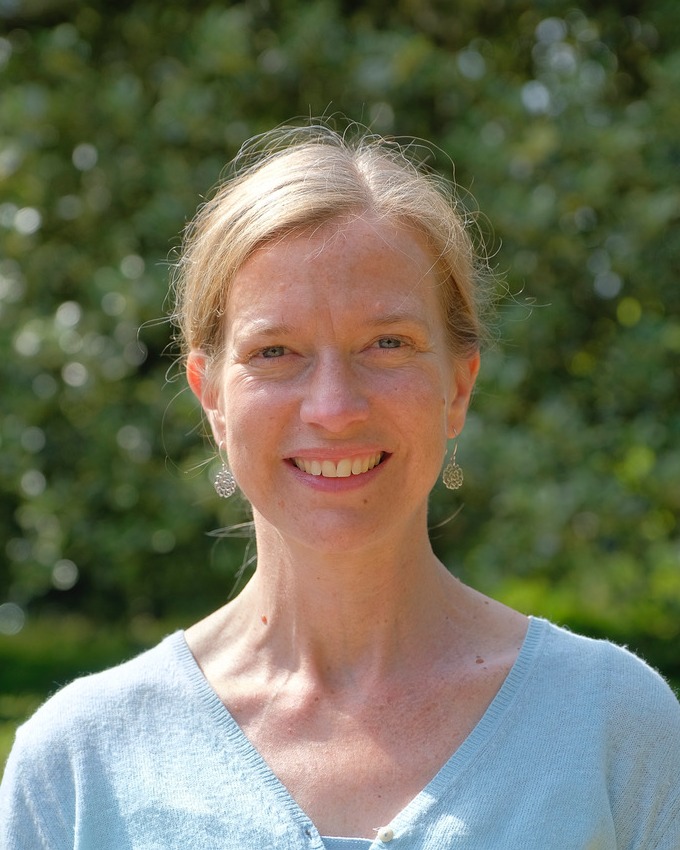
Meet Kathy Ponter
Kathy discovered the Alexander Technique in her twenties while suffering from chronic back pain. What followed wasn't just relief from pain — it was a discovery of ease, presence and a calm confidence she could draw on in the most demanding moments of her working day. That experience is what drives her to bring this work into organisations.
Kathy is registered with the Complementary and Natural Healthcare Council (CNHC) — the UK's national register for complementary healthcare practitioners. Her work is supported by clinical trial evidence published in the British Medical Journal.
FAQs
What is the Alexander Technique?
A practical, clinically researched method for changing the habitual movement and tension patterns that cause pain, fatigue and reduced performance at work.
Does it work?
Yes. Benefits are supported by a gold-standard clinical trial published in the British Medical Journal, and by decades of use across healthcare, performing arts, sport and professional settings.
How much time does it take?
Sessions are designed to fit around your working day — lunchtime, dedicated slots or spread across several weeks. The initial assessment is similarly lightweight.
What does it cost?
Investment varies by team size and programme type. We'll talk through options on your discovery call — no obligation.
How does this differ from physiotherapy, massage, or ergonomics?
Physiotherapy and massage offer valuable treatment, and ergonomic chairs provide external support. The Alexander Technique addresses the root cause: how individuals actually use their bodies throughout the working day. Rather than passive treatment, it is practical education that gives employees lifelong skills to release tension, prevent strain, and self-correct their posture in real time.
Do you work one-to-one with employees or in group workshops?
Both, depending on your organisation's needs. We often introduce the foundational principles through engaging group workshops or talks, followed by focused one-to-one clinic slots (typically 30–40 minutes per person) on regular weekly visits. Individual sessions allow for personalised guidance.
What kind of space or equipment do you need in our office?
A quiet meeting room with enough space for a couple of standard chairs and a table is ideal for one-to-one visits and small group sessions. We also spend time observing and coaching people directly at their ordinary desks, screens, and workstations, so no specialised equipment or dedicated gym space is required. Group workshops will require a bigger space depending on the number of people.
Do employees need to wear special clothing or change?
Mostly ordinary workday clothes are fine so long as they are unrestrictive and comfortable. Because the work is focused on how people sit, stand, walk, and communicate in their everyday professional environment, practising in their normal workwear is actually most effective.
Can this help with stress and presentation nerves, or just physical back pain?
Physical tension and mental stress are deeply intertwined. When we feel pressured — such as before public speaking or meetings — our bodies reflexively tighten, restricting breathing and can cloud clear thinking. Canopy teaches practical tools to quiet that fight-or-flight response, steady the breath, and project calm, authentic presence.
Your people are your greatest asset.
When they move better, think better and feel better — everything else improves. That's what Canopy delivers.
Prefer email? Write to Kathy directly at kathyponter@gmail.com.
CANOPY
Work Physicality Specialist